The Architecture of True Wisdom
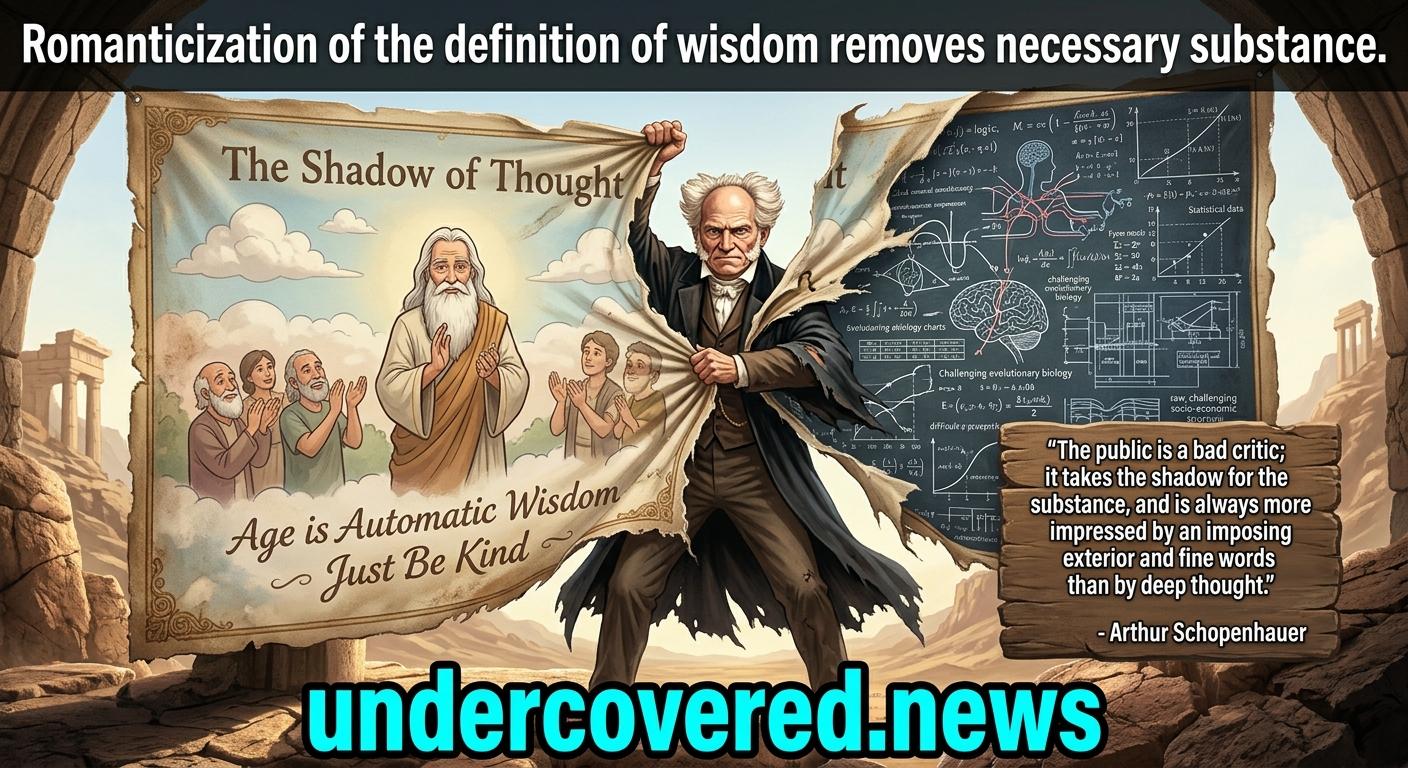
In the cultural imagination, a wise person is an elderly sage sitting quietly on a mountain, a diplomat offering a vague "both sides" platitude, or a billionaire who reads fifty books a year and dispenses pithy life hacks. We treat wisdom like a passive participation trophy handed out by time, or a soft, comfortable virtue that makes everyone in the room feel validated.
It is none of those things. Real wisdom is not a cozy state of inner peace; it is a brutal, high-friction, empirical engineering problem. It requires dismantling nearly every social, political, psychological, and economic survival mechanism our species relies on. If you want to understand why actual wisdom is so rare, you have to look past the Hallmark cards and examine the exact, uncompromising costs required to achieve it.
1. The Temporal Toll: Why True Insight Requires Decades

Chronological reductionism—the idea that you automatically become wise simply by accumulating gray hair—is a comforting lie. Millions of people live for eighty years repeating the same cognitive errors, calcifying in their biases, and passing down generations of unexamined rot.
However, time does matter. It is a mandatory processing window. You cannot fast-track the sheer volume of data ingestion, structural analysis, and systemic iteration required to build a near-infallible logical framework. Sifting through a broad spectrum of intellectual development, stress-testing your own assumptions against reality, and learning how to synergize those insights takes time. For most who actually arrive there, it is a process that demands raw, unyielding focus well into middle age—not because age grants magic, but because reality is too vast to decode any faster.
Part of wisdom is to become a specialist at being a generalist. A brain can't hold all of the knowledge of ages in our heads at the same time and expect to express clean synergization. There is a sweet spot regarding knowledge acquisition and synergy of that knowledge. The key is examining causation with unyielding courage while tracking the lateral connectivity between causal chains. Anything that pertains to a causal chain demands education. This process never ends and we continue to distill clarity.
2. Radical Exile: The Necessity of Receding from Society
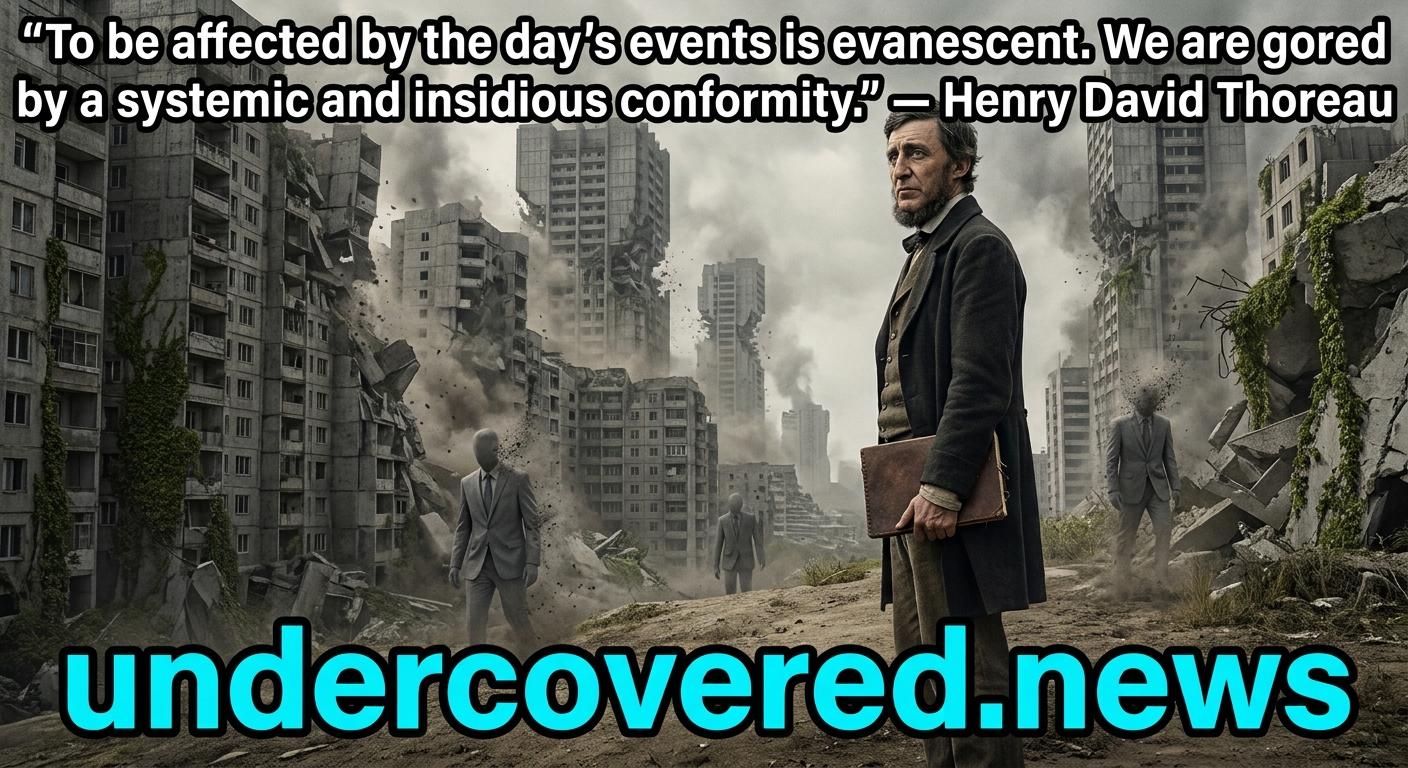
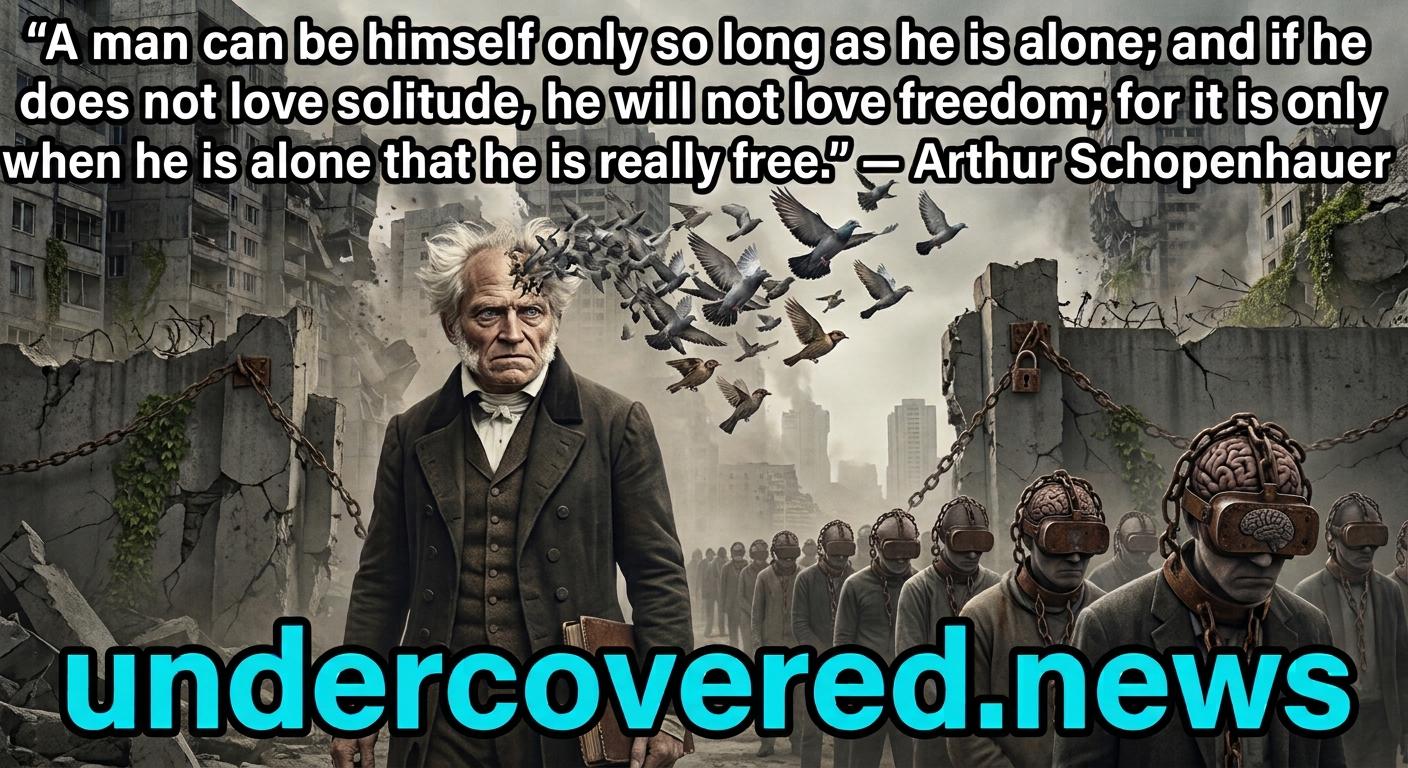
You cannot achieve clarity while swimming in the soup of cultural norms. Human beings are hyper-social animals hardwired for conformity; our default state is to adopt the tribal hallucinations of our surrounding environment just to stay warm and safe.
Wisdom requires a hostile detachment from that environment. Receding from society—stepping outside the fishbowl to become an outside observer looking in—is essential. When you detach from the daily theater of cultural contagion, you start seeing the invisible machinery driving everyone else. You see the mass delusions, the manufactured urgencies, and the herd panic. If you are too close to the culture, your perspective is inherently corrupted by it.
3. Non-Negotiable Scientific Literacy
Failing to perceive reality accurately is fundamentally incompatible with wisdom. If your mental model of the universe is built on vibes, intuition, or cultural folklore, you are operating in a fantasy (or more accurately, you're delusional; dangerously so).
Scientific literacy is not an optional hobby or a niche academic specialty; it is the baseline operating system for understanding how reality actually works. Refusing to engage with empirical science—or pretending that physical, biological, and systemic realities don't matter—is an act of voluntary self-sabotage (or worse, pretending mentally lazy vapid opinionated tripe should be respected in the first place). A wise person does not cherry-pick facts to fit a preferred narrative; they submit their entire worldview to the brutal arbitration of verifiable truth.
So commonly, the majority will chant the mantra, "Well that's my opinion and I'm sticking with it", as if it's their favorite sports team that they rally around. That is a disgusting sports-driven mentality and not dissimilar to the blinded stupidity of religious beliefs.
4. Rebuilding the Science of Human Behavior
Mainstream psychology and industry standards are broken: overly simplistic, myopic, and deeply corrupted by institutional incentives. To be wise, you have to bypass the sanitizing filters of modern behavioral frameworks and understand the raw mechanics of why people do what they do.
This demands an intensive, specialized focus on psychoanalytic profiling. You have to map the hidden incentives, the evolutionary baggage, the trauma-driven compulsions, and the cognitive blind spots that govern human action. Most of all, acknowledgments of perceptual paradigms because perception of reality largely dictates possible psychological states and therefore behaviors (this analysis is something most avoid because it requires confronting people about their ignorance and delusional perceptions of reality). You aren's studying people to fit in with them; you are studying them like an ecologist studying an invasive species, understanding the structural pressures that force them to act against their own survival.
5. Emotional Honesty and the Cost of Social Suicide
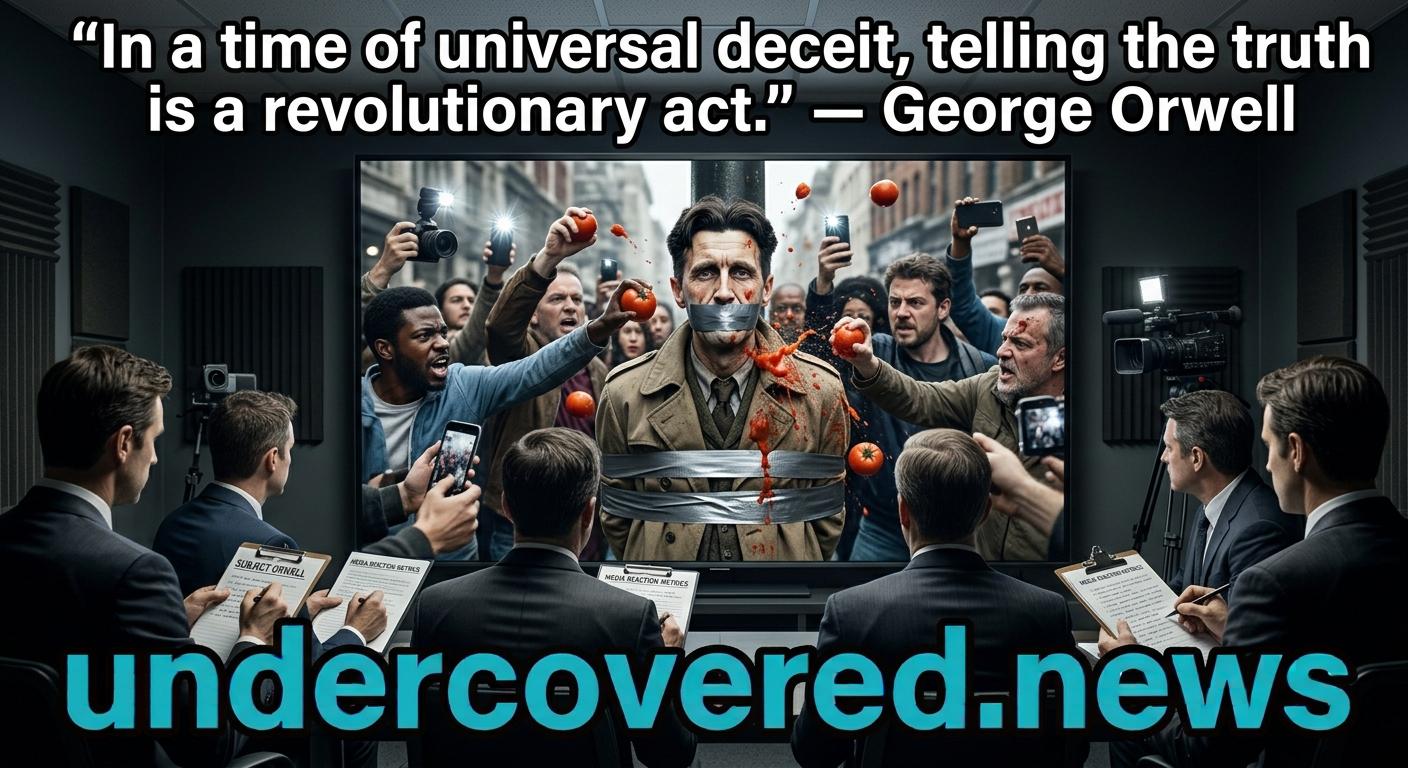
Wisdom requires absolute, unyielding emotional honesty—even when it destroys your social survival. Most people traffic in mutual enablement, validating each other's garbage opinions and irrational belief structures because challenging them is socially expensive (the majority will socially terrorize and sabotage anyone who won't enable them because they are petty, insecure, intellectually dishonest cowardly brainwashed fools that would ruin an honest person's life in the name of protecting their own mental laziness).
True wisdom rejects this entirely. You cannot enable people to believe their thoughts have intellectual value when those thoughts are born of laziness and logical fallacies. Non-conformity is a mandatory byproduct of this stance. When the vast majority of the population is wrong about nearly everything they hold sacred because they fell victim to the ad populum (appeal to popularity) fallacy, being honest makes you radioactive. A wise person speaks the structural truth regardless of whether the room turns against them.
"In so-called modern civilized society, the truth is often a crime."
— Dead Man Thinkn (More like, a man murdered through a process of systematic time evisceration, shunning from the cult of opinionism, branded not advertiser friendly and thereby shunned by the cult of greed until their entire life was turned in and nothing but waste... So who cares what their name was?)
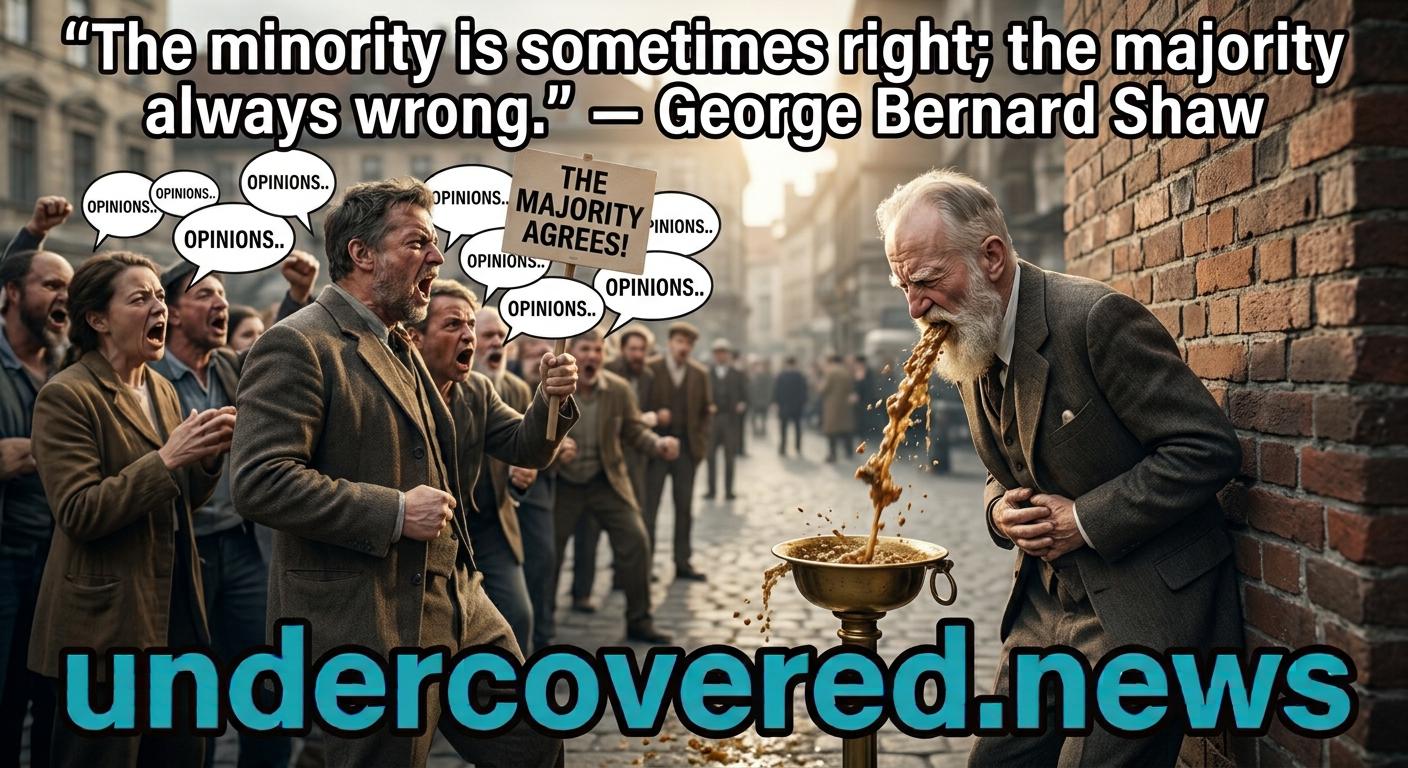
6. Probabilistic Thinking and the Bayesian Reality
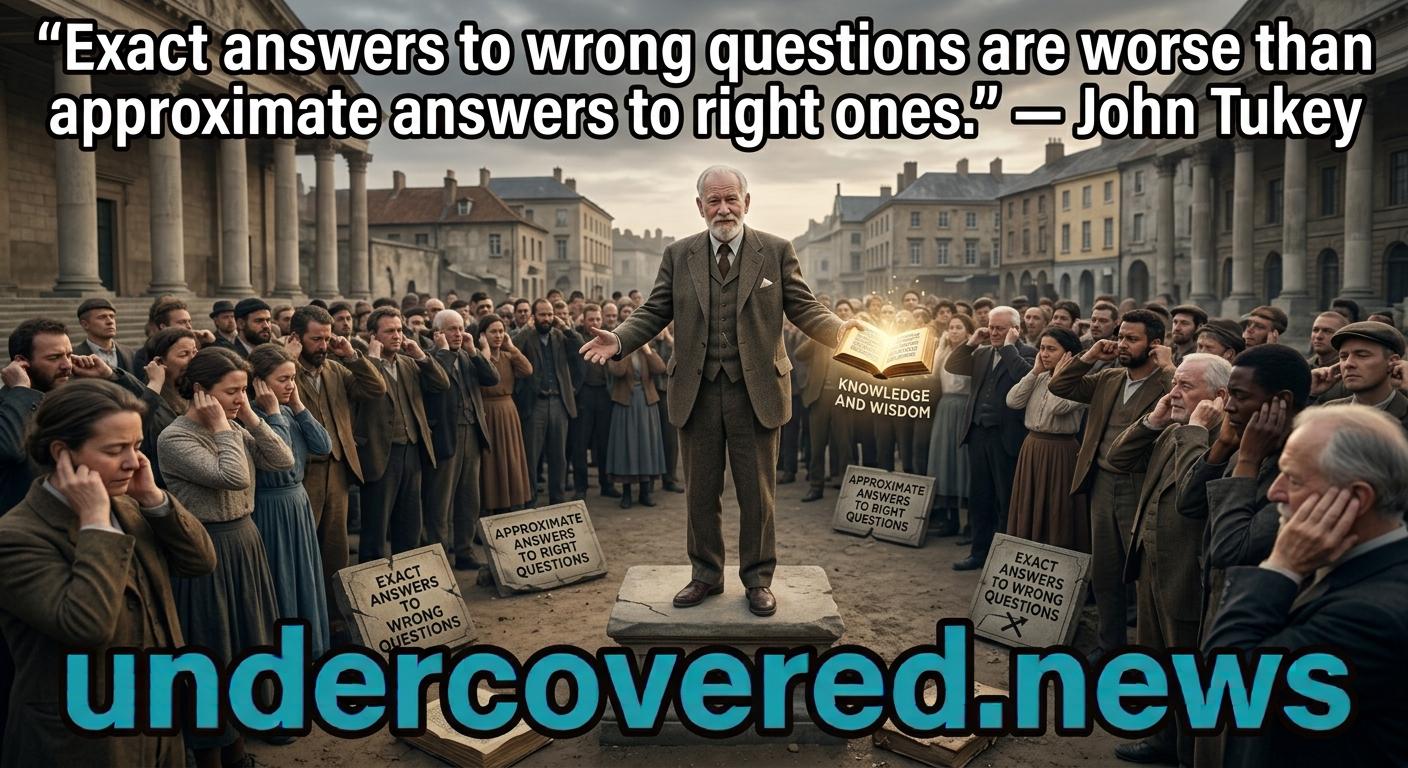
Human brains hate complexity, which is why the world constantly collapses into binary, black-and-white bifurcation fallacies (religion, in a nutshell). Wisdom demands the exact opposite: a rigorous, Bayesian, probabilistic approach to the unknown.
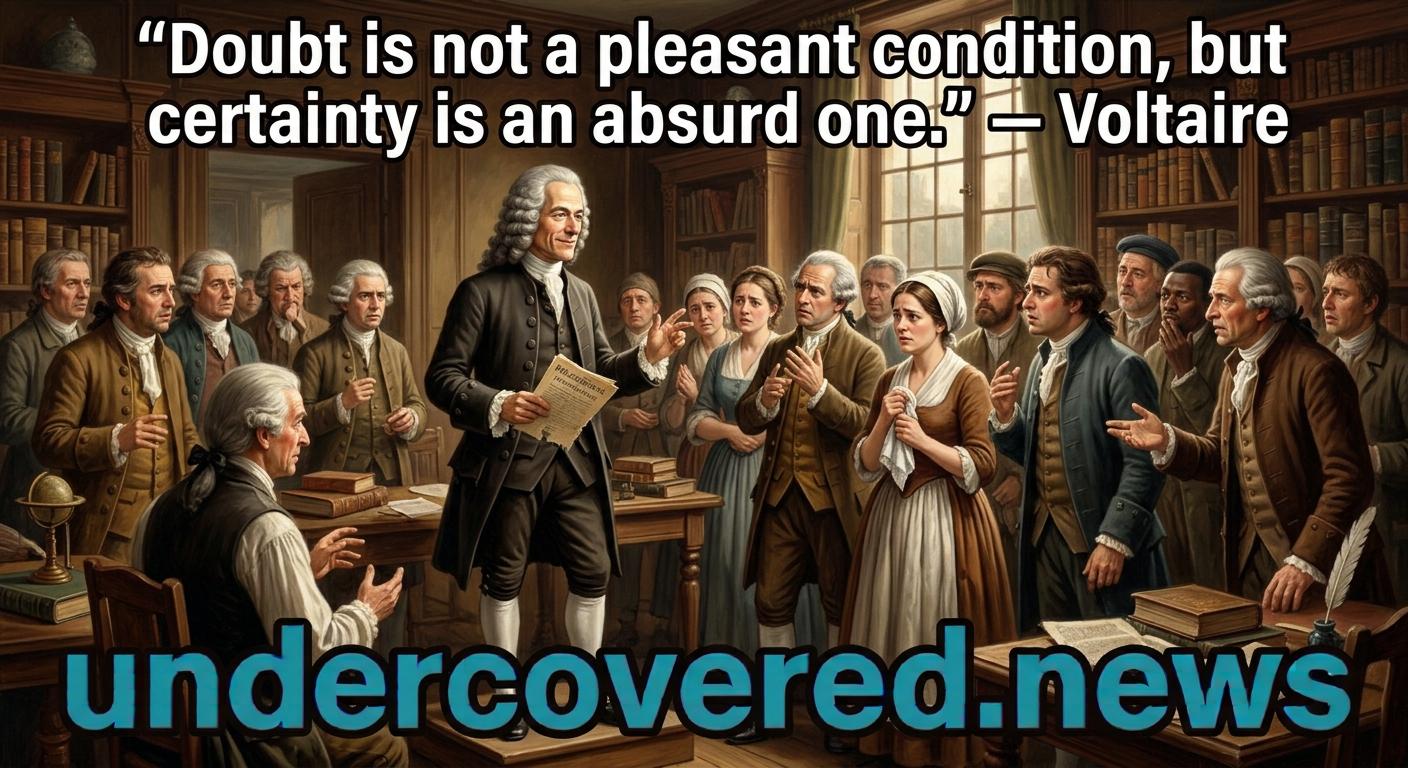
Reality is infinitely complicated. You do not hold "ultimate beliefs"; you maintain a fluctuating field of probabilities driven by hypotheses. You ask precise, razor-sharp questions, execute thorough due diligence to test them, build theoretical frameworks, and remain perpetually willing to update your models when new data demands it. Over-simplifying reality is comforting, but it is the antithesis of logic. Most of all, no matter how long we consider a hypothesis or a theory, if we find after we do our due diligence that it wasn't reasonable, we abandon it. None of this has anything to do with ego. It doesn't matter if you're right or wrong because it's not a game for you to win at. The majority don't achieve the state of wisdom because they are terrified of admitting when they don't know something and even more afraid of admitting they were wrong. A wise person arrives at understanding rather than pretending to know what they're talking about.
7. The Great Inversion: Economic Success vs. Wisdom
One of the most pervasive modern misconceptions is that economic success is a proxy for wisdom or intelligence. In reality, mainstream economic success in a predatory system often requires the exact opposite.
Succeeding within free-market capitalism and fiat currency structures typically demands total conformity, institutional manipulation, and lies of omission for the sake of individual survival. Participating in this system without critical resistance means being a party to a massive, extractive atrocity—an ecological and human disaster that sacrifices billions of lives (both current and future lives) for short-term extraction. If your definition of "success" is climbing to the top of a burning building while ignoring the flames, you aren't wise; you're just exceptionally compliant (and likely sociopathic, psychotic, myopic, criminally negligent as well as a bit of a fascist or at least a Nazi sympathizer working within this cult of greed that enslaves billions of people and robs us of agency).
Stop pretending like Fiat currency and free market capitalism are anything other than the most vile example of terroristic enslavement the world has ever known as well as the cause of hundreds of millions of deaths, worse than the Nazis ever dreamed of being and you can bet your hollow bottom dollars that we are going to cover this in great detail in future publications.
8. Eradicating the Spiritual Delusion
Perhaps the ultimate delusion is the belief that religion, spiritualism, or identity are compatible with wisdom.
Identity is a mass biological and cultural hallucination—a fictional construct propped up by ego and social reinforcement (all identity self-affirmation is a mass dilution because technically, the reality of the matter is that absolutely none of us know what reality is and therefore we don't know what we are). Religious figures and spiritual gurus are often just purveyors of sociopathic manipulation, leveraging ancient appeals to authority and popularity to harvest obedience from the gullible (and get your money because it's their business, a non-profit tax evading business).
Additionally; Anything invented before we invented toilet paper is deeply suspect. Fools are those who believe the world views of those who didn't know how to wipe their asses.
Furthermore, mindless obsequiousness to invisible gods, sacred traditions, and fragile ego-identities is not profound; it is a regression into infant-level magical thinking and a sociopathic manipulation of others. To tell people that you respect their opinions, beliefs, traditions and identity is just an example of "Black magic" used to manipulate people into liking you. Grow up. Be real. Stop enabling people. This cannot continue.

The Verdict
Wisdom is not a badge you earn by being nice, growing old, or playing by society's rules. It is the scar tissue left over from a lifelong war against your own biases, cultural programming, and the comfortable delusions of the species. It is lonely, it is exhausting, and it will not make you rich or popular. But unlike the status quo's version of wisdom, it has the singular advantage of actually being true. Perceiving reality as close to what it actually is, while also accepting it yields clarity of perception & that clarity is required for the solidification of sound judgement.
The unfortunate reality is that those of us who possess high levels of intellectual honesty, logic, existential intelligence, strategic creative vision, curative solutions and know that changes need to happen are the wisest people of every era as well as the most hated, sabotaged, abused and shunned... yet, even though nearly every demographic seems to have legal protections in this so-called civilized society, the intelligent and wise minority do not.
Can we really go on pretending that this is equality?
The majority are pretending that their opinions are equal to the carefully thought out detailed perceptions of reality offered by those who made it their life's work.
Politicians pretend that they should be leading us with mindlessly stupid opinions!?
Manipulative sociopaths end up CEOs.
Meanwhile, the majority seem incapable of identifying that one of the biggest core problems our society has is the fact that those of us who maintain integrity, honesty and express wisdom get oppressed, censored, economically terrorized, socially terrorized and ruined because we refuse to conform to a broken delusional dumpster fire of a civilization, yet, it is the wise who need to be put into positions of leadership.
That's why we are publishing this essay. That's why the definition of wisdom is of such tremendous focus. That's why there's a war over defining wisdom being fought through multiple avenues.. and that demands a book be written and it is being written right now, by us in this very moment to be published at Undercovered News... stay tuned.